
Insights, timings, viewing points, and photography tips.
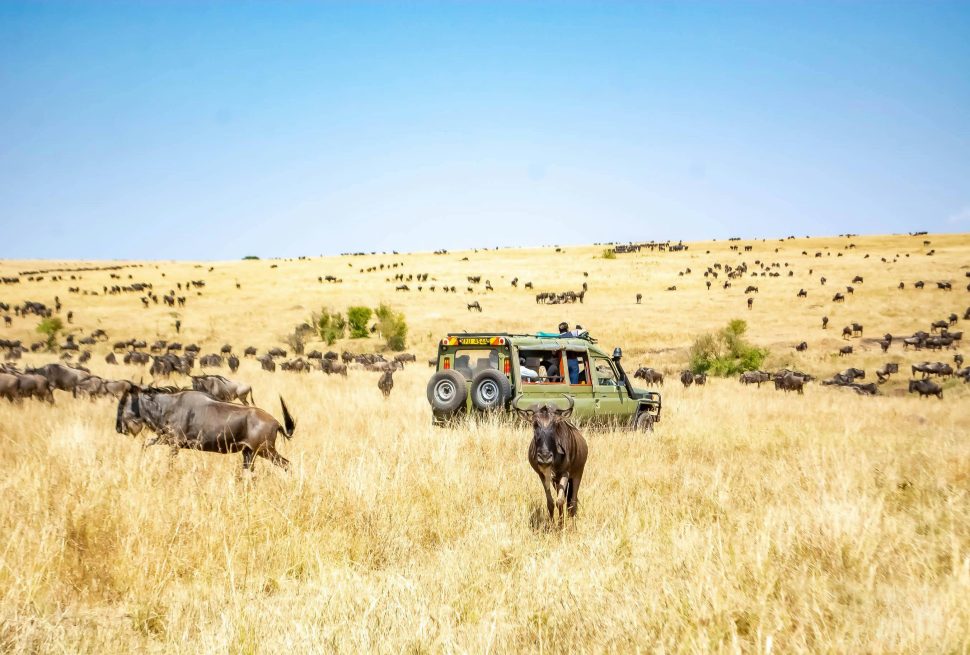
The Great Migration in the Masai Mara is one of the most breathtaking wildlife events on the planet, earning its place on the bucket list of travelers from around the world. Every year more than a million wildebeest accompanied by zebras and gazelles move across the vast plains in search of fresh grazing. This natural cycle creates a dramatic display of movement, survival, and raw power that few destinations can match. The Masai Mara provides the final and most iconic stage of this journey where the herds cross the Mara River, attracting predators and offering unforgettable moments for visitors.
Understanding the timing of the migration is essential for anyone planning a trip to witness this incredible event. The herds typically arrive in the Masai Mara between July and October although the exact timing can vary because it depends on rainfall patterns and grass growth. During these months the migration reaches its peak as thousands of animals gather near the riverbanks, preparing for the crossing. This is also a time when predators such as lions, cheetahs, and crocodiles are highly active, making the wildlife encounters even more dramatic.
There are several remarkable viewing points where visitors can experience the migration at its best. The Mara River is the most famous location due to the tense and powerful river crossings. Points such as the main crossing near Serena and areas along the northern section of the river offer excellent visibility. For travelers who prefer less crowded viewpoints, the Mara Triangle provides a quieter but equally rewarding experience with expansive plains and fewer vehicles. Early mornings and late afternoons are often the best times to witness active movement and capture clearer views as the light is softer and the herds tend to be on the move.
Photography enthusiasts will find the Great Migration a dream come true. To capture the perfect shot, it helps to use a camera with a good zoom lens that allows you to photograph animals from a safe distance without disturbing them. Patience is essential because crossings can take hours to begin, and waiting calmly often leads to the most dramatic photos. Soft early morning and sunset light will enhance the depth and color of your images, creating warm tones that reflect the character of the savanna. It is also helpful to keep the camera steady, either by using a beanbag or resting your elbows on the vehicle frame. Above all, always respect instructions from your guide and keep safety in mind.
The Great Migration in the Masai Mara is more than a wildlife event. It is a demonstration of nature’s rhythm and resilience. From the thundering hooves of the herds to the breathtaking landscape that surrounds them, every moment leaves a lasting impression. For anyone who dreams of experiencing Africa’s most iconic spectacle, planning ahead and understanding the key details of timing, locations, and photography will ensure an unforgettable adventure.