



Overview
Tsavo East and Tsavo West together form Kenya’s largest protected wildlife area spanning a vast stretch of southeastern Kenya between Nairobi and the coast. Although they are managed as separate parks they function as one grand ecosystem defined by immense plains volcanic formations winding rivers and a remarkable diversity of wildlife. Their scale and rugged character offer an authentic wilderness experience that feels both timeless and deeply immersive.
Landscape and Natural Character
Tsavo East is known for its sweeping open plains red earth and the slow meandering flow of the Galana River. Much of the park is wide and uncluttered which creates an impression of endless space. The Yatta Plateau one of the world’s longest lava flows runs along part of the park forming a dramatic geological feature that highlights Tsavo’s ancient volcanic past. The combination of scrubland, savannah and riverine woodland supports a broad array of wildlife while maintaining a raw and expansive atmosphere.
Tsavo West presents a more varied and dramatic landscape. Here one encounters rolling volcanic hills, rugged lava fields, natural springs and dense pockets of vegetation. The Mzima Springs are among the park’s most famous sites, producing crystal clear water that flows from underground volcanic reservoirs. These springs support hippos, crocodiles and an abundance of fish, attracting predators and birds to the surrounding woodlands. The Chyulu Hills which lie along the park’s northern border add a misty green backdrop especially during the rainy season.
Wildlife and Biodiversity
Together the Tsavo parks host an enormous population of wildlife. They are especially known for their large herds of elephants often coated in red dust from the soil giving them a distinctive appearance. These elephants roam widely across both parks and have been central to research and conservation over the decades.
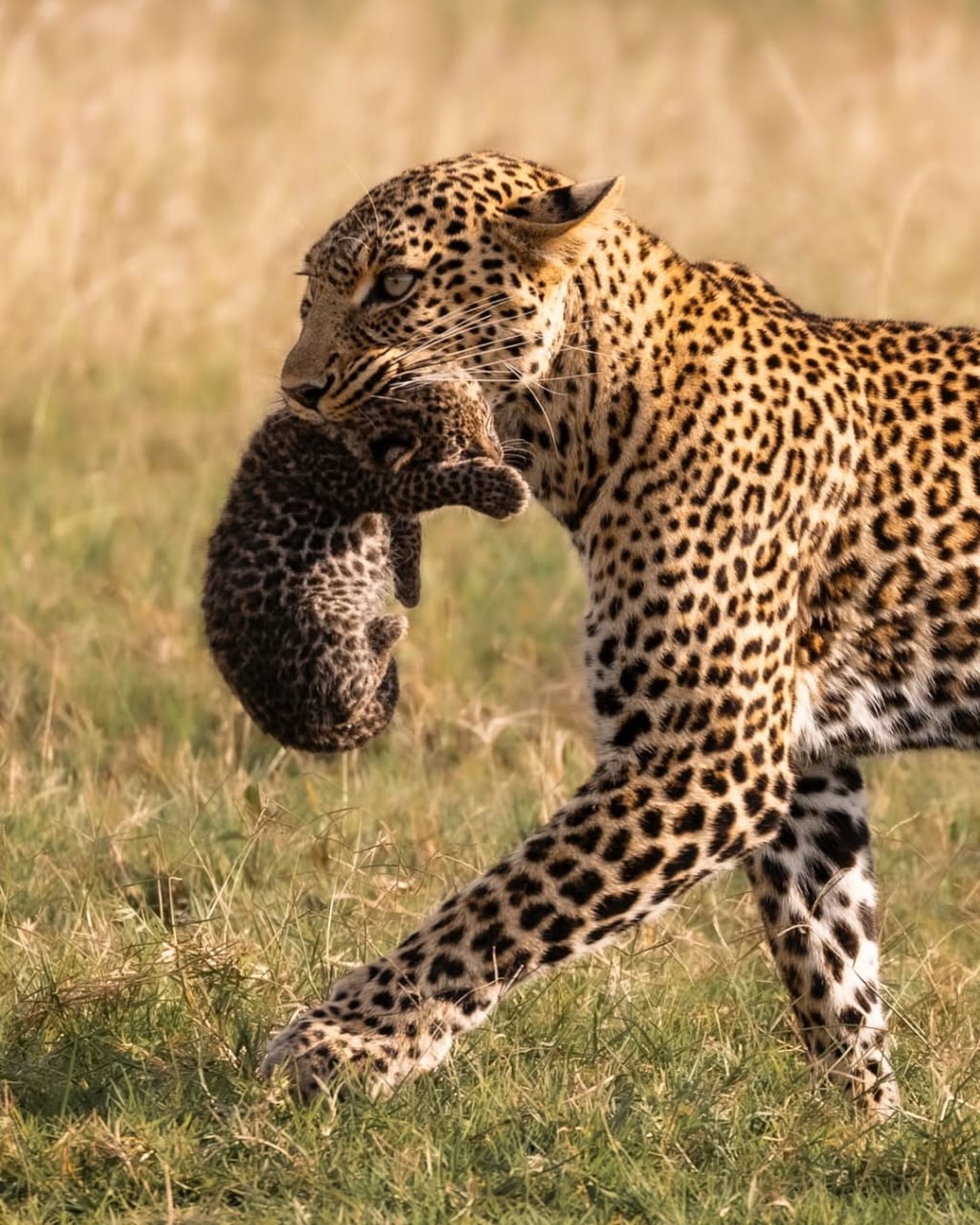
Lions are another hallmark of Tsavo with the region historically known for its “maneless lions” a unique population with subtle physical differences from other lion groups. Leopards cheetahs hyenas buffalo giraffes zebras and various antelope species add depth to the parks’ biodiversity. Tsavo’s more remote areas often reward patient visitors with sightings of lesser-seen species such as fringe-eared oryx, kudu and gerenuk.
Birdlife in Tsavo is equally rich with hundreds of species recorded. Raptors thrive in the open plains while waterbirds congregate around springs, dams and seasonal rivers. The mix of dryland birds and migratory visitors contributes to a dynamic and ever-changing avian population.
History Conservation and Significance
Tsavo has a long history of conservation challenges shaped by its size and proximity to traditional livestock areas. Elephant protection has been a major focus particularly due to the severe poaching episodes of the late twentieth century. Over time sustained conservation efforts community involvement and improved security have allowed wildlife populations to stabilize and recover.
Culturally the region is associated with the tales of the Tsavo Man-Eaters a pair of lions that disrupted railway construction in the late 1800s. While this story often captures popular imagination the deeper narrative of the region revolves around endurance resilience and coexistence between wildlife and local communities.
Visitor Experience
A visit to Tsavo East offers a sense of open wilderness with long uninterrupted views that allow travelers to track wildlife across the plains. The Galana River, Lugard Falls and Aruba Dam are key locations where animals gather particularly during the dry months. This side of Tsavo provides a more remote and spacious experience ideal for travelers seeking tranquility and wide horizons.
Tsavo West brings greater landscape diversity and a blend of scenic attractions. Mzima Springs provides underwater viewing chambers where visitors can observe hippos and fish in clear water. The Shetani Lava Flows present a striking black expanse of cooled volcanic rock stretching across the land. The park’s hills, valleys and woodlands create a varied setting for game drives with more opportunities to explore rugged terrain.
Accommodation ranges from luxury lodges with sweeping views to cozy tented camps tucked into the bush. Both parks offer excellent opportunities for photography, walking safaris in designated areas and extended explorations that reveal the depth and character of this immense wilderness.
Tsavo East and Tsavo West together form a landscape of immense scale beauty and complexity. Their combination of wildlife, geological wonders and untouched spaces creates one of Kenya’s most powerful safari experiences, inviting visitors to explore nature at its most expansive and elemental.


