What to pack, common mistakes, budgeting, and planning tips.
A first timer safari in Kenya is an exciting journey into some of the most spectacular landscapes and wildlife on the planet, and preparing well can make the experience truly unforgettable. Packing for a Kenyan safari requires a balance of comfort, practicality, and respect for the environment you are exploring. Light breathable clothing in natural colors helps you blend into the surroundings and stay comfortable during game drives. A warm layer is important for early morning and evening outings when the temperature drops significantly. Sturdy walking shoes, a wide brimmed hat, sunscreen, sunglasses, and insect repellent are essential for protection. A good camera, extra memory cards, and a pair of binoculars will help you capture wildlife moments without disturbing the animals. It is also helpful to carry a reusable water bottle, a small personal first aid kit, and any medications you might need during the trip.
Many first time visitors make a few common mistakes that can be avoided with some awareness. One of the most frequent is overpacking. Safari vehicles have limited space, so soft sided bags and minimal luggage make travel smoother. Another mistake is expecting constant action during game drives. Wildlife sightings can be unpredictable, and patience is part of the authentic experience. Some travelers underestimate the strength of the sun, leading to discomfort during the trip, so proper sun protection is vital. Others may ignore the advice of guides, forgetting that they know the behavior of the animals and the landscape better than anyone. Listening to local experts ensures both safety and meaningful sightings.
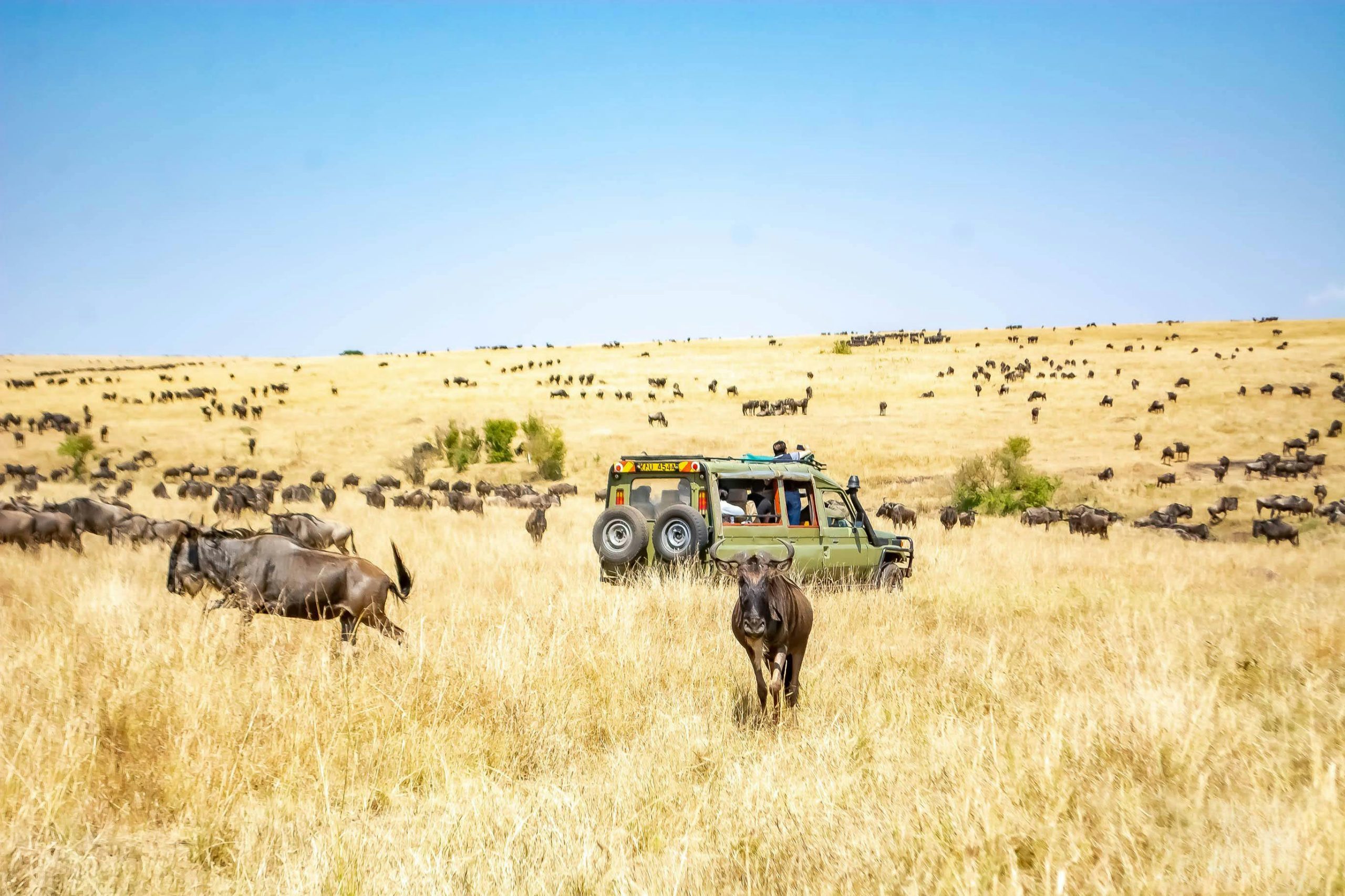
Budgeting for a safari involves understanding the costs that shape the experience. The price of a safari will depend on the level of accommodation, the season, the parks you choose, and whether you opt for private or group experiences. Accommodation can range from simple lodges to luxury tented camps that offer exceptional service and panoramic views. The peak season from July to October, when the Great Migration moves through the Masai Mara, tends to be the most expensive. Travelers can save by visiting during the shoulder seasons when wildlife viewing is still excellent. Park fees, meals, transport, tips for guides, and optional activities should all be included in the budget. It is also wise to set aside funds for unforeseen expenses or special experiences such as a hot air balloon ride over the savanna.
Planning tips for a first time safari begin with choosing the right parks based on your interests. The Masai Mara offers incredible sightings of big cats and the Great Migration, while Amboseli is known for its large elephant herds with the dramatic backdrop of Mount Kilimanjaro. Samburu provides a chance to see rare northern species found only in that region, and Lake Nakuru is famous for rhinos and diverse bird life. Booking with a reputable operator ensures you have experienced guides and a well structured itinerary. It is also useful to research the best travel seasons, check visa requirements, and confirm vaccinations or preventive medication recommended for the region such as malaria prophylaxis. Travel insurance that covers medical needs and trip changes is also an important addition.