
Overview
A bird watching safari offers a focused and immersive wildlife experience that centers on observing and appreciating birds in their natural habitats. Unlike traditional safaris that primarily highlight large mammals a birding safari brings attention to the remarkable diversity of colors calls behaviors and ecological roles that birds contribute to an ecosystem. It’s an experience designed for both seasoned birders and curious travelers who want to explore nature from a more attentive and detail-oriented perspective.
What a Bird Watching Safari Involves
A typical bird watching safari combines guided field excursions with opportunities to explore wetlands forests grasslands and open savannahs—all habitats that host different bird communities. Experienced bird guides help identify species by appearance and sound ensuring travelers understand not only what they are seeing but the ecological significance of each bird. Early morning and late afternoon outings are common as these are peak times for bird activity.
Diversity of Birdlife
Bird watching safaris often take place in biodiversity-rich regions such as East Africa where hundreds of species can be observed within a short radius. Travelers may encounter everything from large raptors and ground-dwelling birds to forest specialists and migratory species that follow seasonal routes. Iconic sights include flocks of flamingos at alkaline lakes colorful bee-eaters along riverbanks and vultures soaring above open plains.
The Experience and Highlights
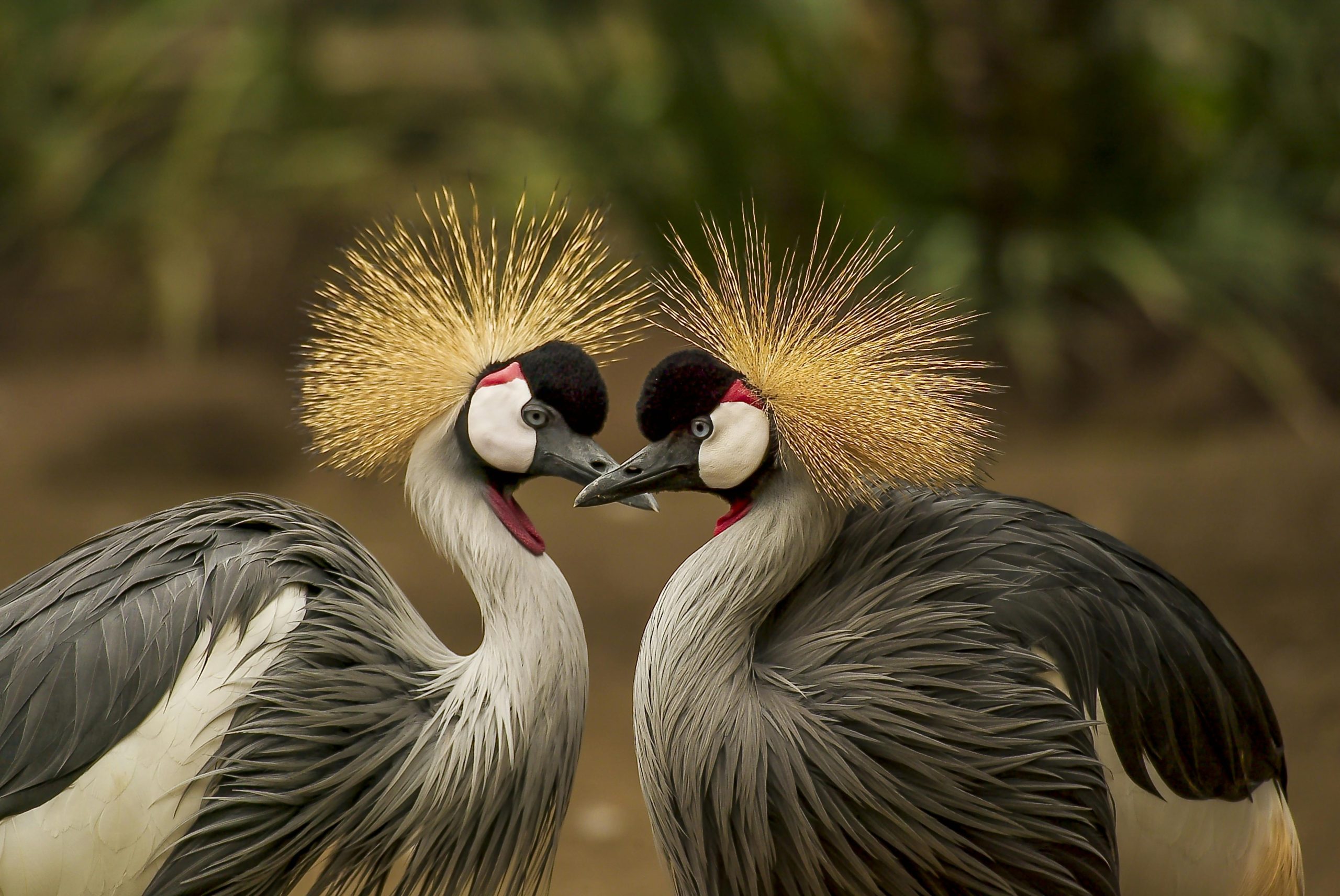
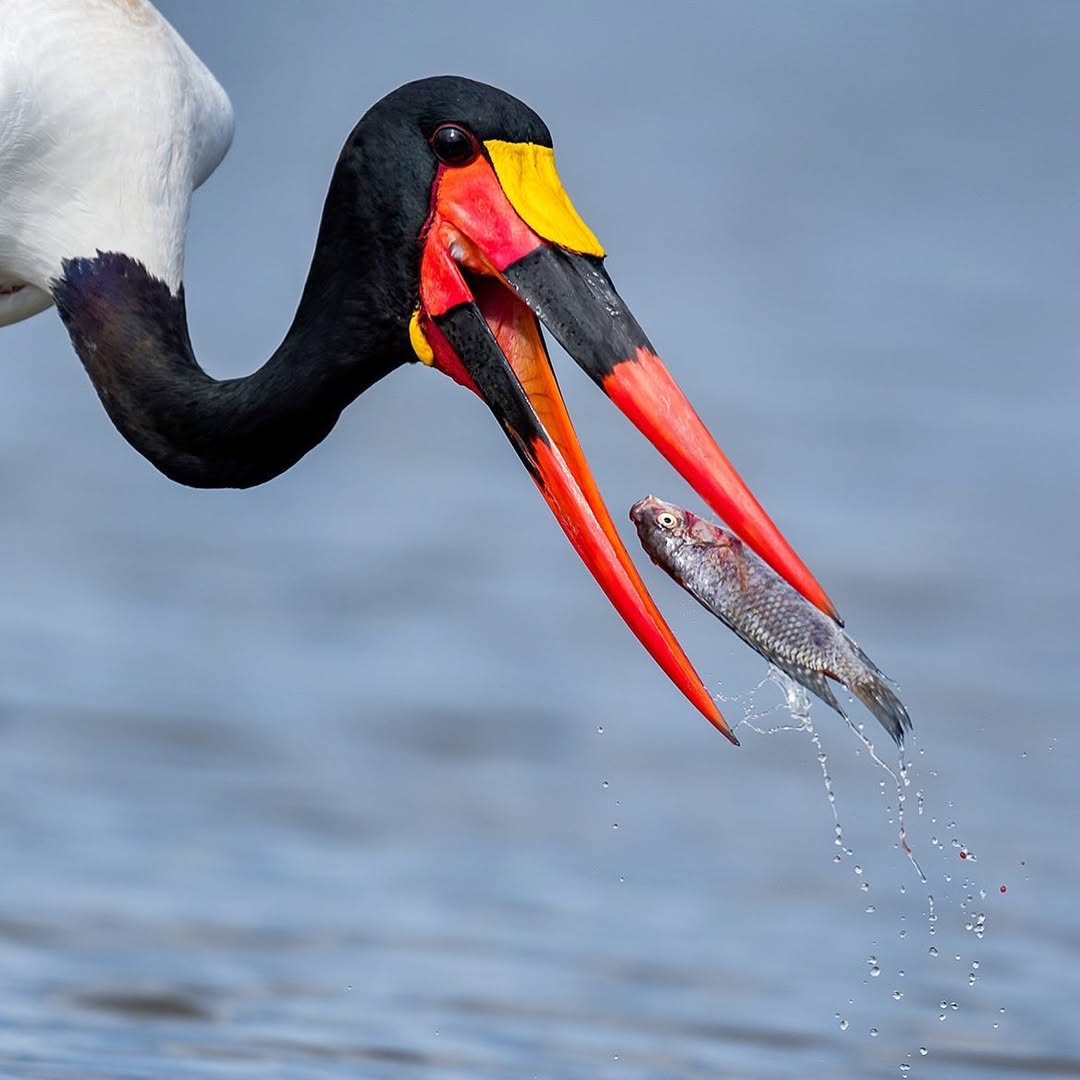
A birding safari emphasizes patience observation and interpretation of subtle details. Guests learn to track birds by movement or song and become attuned to the rhythms of the natural environment. Photography plays a major role for many visitors as the vibrant plumage and unique behaviors of birds offer rich visual opportunities. In many regions birding pairs naturally with wildlife viewing allowing guests to observe mammals while still focusing on avian life.
Conservation and Impact
Bird watching safaris contribute significantly to conservation. Many bird-rich areas rely on sustainable tourism to protect habitats and support local communities. Guided birding encourages responsible travel practices including respect for breeding grounds migration routes and fragile ecosystems. By highlighting the ecological roles that birds play—from pollination to pest control—these safaris foster awareness of the broader health of the landscapes being explored.
Who It’s For
A bird watching safari appeals to travelers who enjoy slower more thoughtful exploration of nature. It also suits photographers researchers and families wanting to engage with wildlife in a less crowded and more educational setting. Whether in wetlands forests or open plains a birding safari provides a deeper connection to the natural world and reveals details often overlooked on traditional wildlife trips.